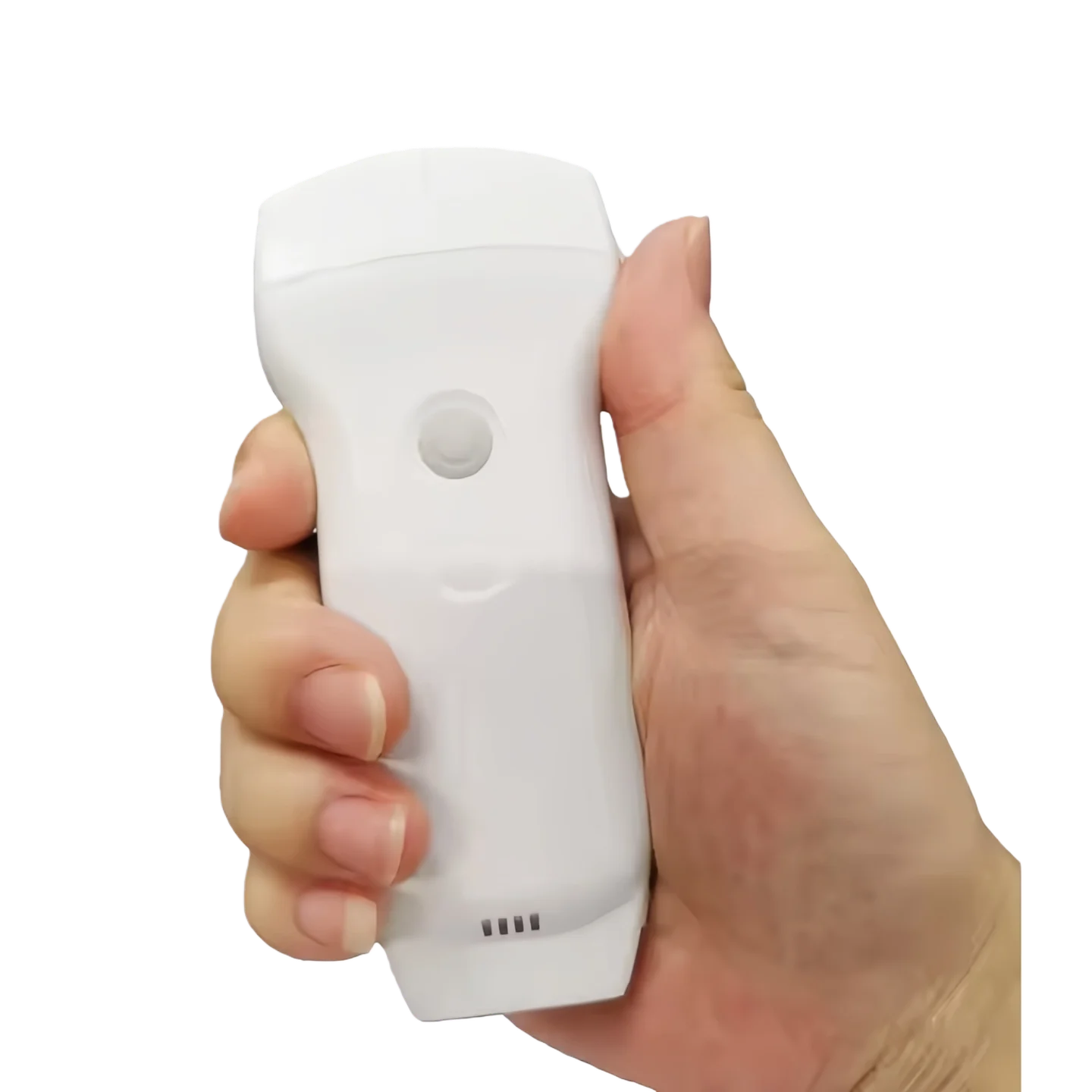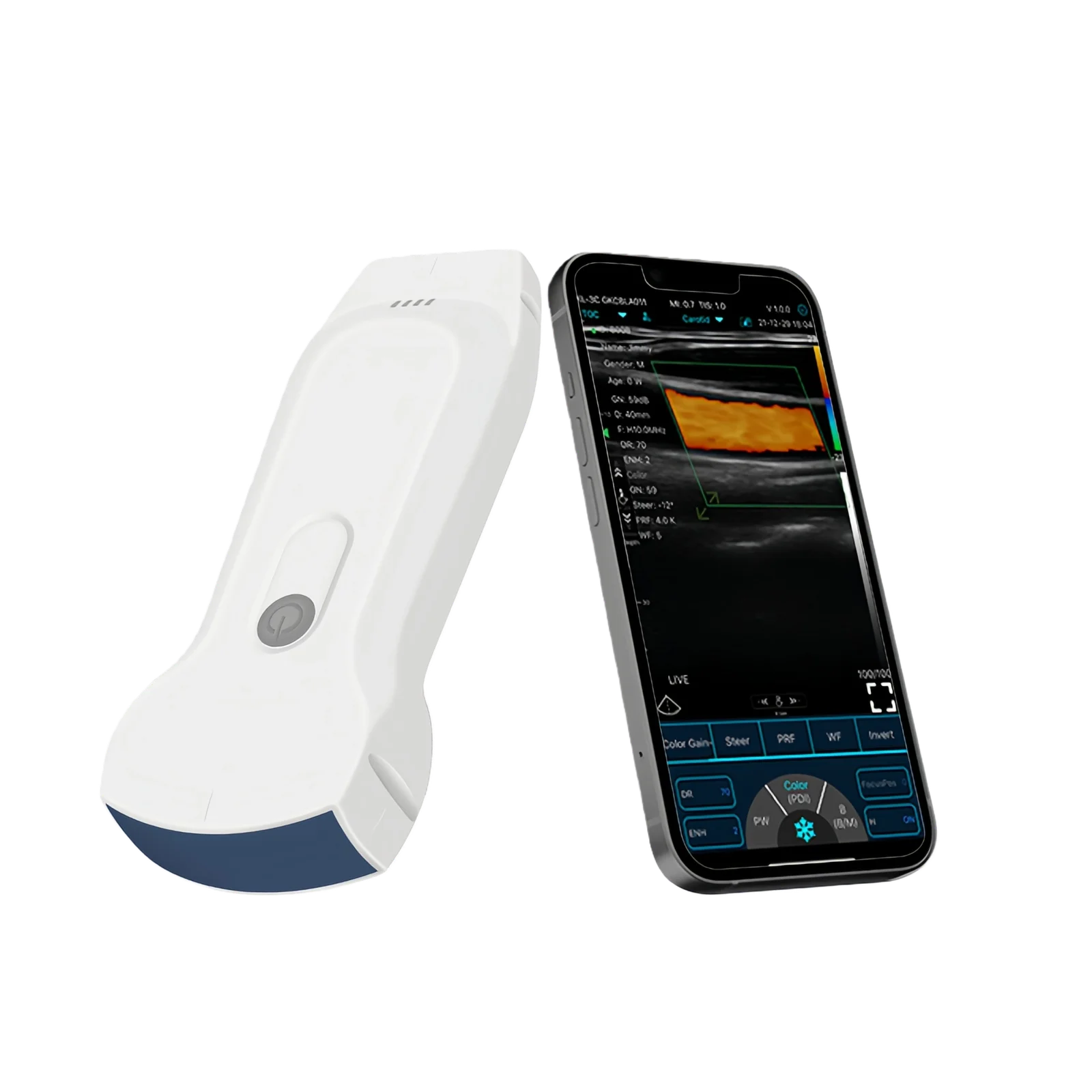

Our Products
Rayland Medical's consistent self produced and selected products are guaranteed to provide safety for you and your customers
Our Products
Pinhole defects are one of the most important quality risks in surgical gloves because a glove can look normal while still containing a small hole that compromises barrier integrity. For OEM surgical glove orders, controlling pinholes therefore starts during manufacturing and continues through handling, sterilization, packaging, and final lot inspection.
The goal is not simply to find defective gloves before shipment. A more reliable approach is to control the production conditions that cause pinholes in the first place.
A surgical glove is formed by dipping a cleaned former into controlled chemical and latex or synthetic polymer systems. Small changes during this process can create weak points or openings in the glove film.
Common causes include:
For sterile surgical gloves, handling and packaging after production can introduce additional risks. A glove that leaves the dipping line intact can still be punctured or damaged later.
The condition of the ceramic or production former directly affects the glove surface.
Residue, dried compound, dust, or other contamination can interfere with film formation. If the polymer cannot form evenly around a contaminated area, a local thin spot or hole may develop.
Former-cleaning control should therefore include regular washing, rinsing, drying, and inspection.
This is particularly important during continuous production, where residues can gradually build up if cleaning conditions are inconsistent.
Latex, polyisoprene, and other glove materials must remain within the required production conditions before dipping.
Changes in viscosity, solids content, temperature, contamination level, or chemical balance can affect the uniformity of the finished film.
Production control normally includes monitoring the compound and filtering it to reduce foreign material before dipping.
For OEM surgical gloves, changes in color, thickness, or formulation should not be treated as cosmetic adjustments only. Any change that affects film formation may also affect physical and barrier performance.
Very thin local areas are more vulnerable to pinhole formation and tearing.
Uniformity depends on several factors, including:
This is why specifying only an average glove thickness is not enough.
Fingertips, palms, and cuffs may have different thickness requirements, and the production process needs to maintain the agreed range consistently.
When evaluating OEM samples, thickness should be checked at defined positions rather than judged only by glove weight or hand feel.
Small bubbles or particles trapped during film formation can create weak points.
Filtration, controlled mixing, tank maintenance, and clean production conditions help reduce this risk.
Excessive agitation can also introduce unwanted air into some dipping compounds. Production parameters should therefore be controlled rather than adjusted informally during a run.
For large OEM orders, stable process conditions are more important than producing one unusually good approval sample.
The glove film must be cured sufficiently to achieve the required physical properties.
Incorrect curing can affect:
A glove that is under-cured or otherwise improperly processed may develop weaknesses during stripping, sterilization, storage, or use.
Physical-property testing is therefore relevant to pinhole prevention even though it does not directly measure holes.
FDA guidance recommends appropriate physical-property testing for medical gloves in addition to barrier testing.
After curing, gloves still need to be removed from the former.
Mechanical stress during stripping can damage fingertips, cuffs, or other areas if the glove sticks excessively or if the stripping process is poorly controlled.
For powder-free surgical gloves, the internal surface treatment also affects how easily gloves can be handled.
This is another reason that pinhole control should not end when the dipping process is complete.
Gloves should remain intact through stripping, washing, surface treatment, drying, inspection, and packing.
Visual inspection alone cannot reliably detect small holes.
For medical gloves, ASTM D5151 is a recognized test method for detecting holes that allow water leakage. FDA also recommends the 1000 mL water leak test or ASTM D5151 when evaluating medical-glove barrier integrity.
For the European market, EN 455-1 specifies requirements and testing for freedom from holes in single-use medical gloves.
OEM specifications should therefore clearly define:
“Pinhole tested” is less useful than knowing what method and acceptance level were applied.
A single passed inspection does not explain whether the manufacturing process is stable.
Factories should monitor pinhole results by lot and investigate unusual increases rather than waiting until a shipment fails final inspection.
Useful records can include:
If defects repeatedly appear in one size, line, or production period, the cause can then be traced more efficiently.
Sterile surgical gloves undergo additional processing after basic manufacture.
Sterilization should not adversely affect glove integrity, and the sterile barrier package must protect the product through storage and transportation. FDA guidance specifically recommends testing sterile glove packaging for package integrity and its ability to maintain sterility.
Before shipment, inspection should therefore include both the glove and the finished sterile pack.
Check for:
Pinhole risk can increase when an OEM project changes several variables at the same time.
For example, reducing glove weight, changing material formulation, adjusting thickness, changing surface treatment, and introducing new sterilization conditions can all affect the finished glove.
If a cost-reduction version is required, it should be treated as a new specification and re-evaluated before mass production.
For repeat orders, the approved product specification should remain the reference for material, thickness, physical properties, freedom from holes, sterilization, and packaging.
Rayland Medical supplies surgical glove options including sterile latex and latex-free polyisoprene gloves, and can review glove specifications, samples, packaging, and QC requirements before bulk sourcing.