

Our Products
Rayland Medical's consistent self produced and selected products are guaranteed to provide safety for you and your customers
Our Products
Rayland Medical supplies surgical tourniquet systems for orthopedic procedures, limb surgery, trauma treatment, joint surgery, vascular procedures, and other clinical applications requiring controlled limb blood-flow occlusion.
Our product range includes automatic pneumatic tourniquet systems with touch screen or physical button control, together with sterile exsanguination tourniquets for single-use surgical preparation. This allows hospitals, surgical centres, distributors, and medical projects to select suitable tourniquet solutions according to procedure type, control preference, channel requirement, cuff configuration, and clinical workflow.
A surgical tourniquet system is not selected only by device appearance or pressure range. Procurement teams need to consider channel configuration, pressure-control accuracy, timing functions, cuff compatibility, safety alarms, power supply, battery backup, sterilization requirements, and the expected surgical workflow.
As a Surgical Tourniquet Systems Supplier, Rayland Medical supports product selection for operating rooms, orthopedic departments, ambulatory surgery centres, trauma units, and medical distributors. Available system options can be matched to one-limb or two-limb procedures, touchscreen or button control preferences, and the need for reusable pneumatic systems or single-use sterile exsanguination products.
Automatic pneumatic tourniquet systems use controlled inflation to apply pressure through a tourniquet cuff during limb surgery. They are designed to support a clearer surgical field and help surgeons manage procedures involving the upper or lower extremities.
Rayland Medical offers automatic tourniquet systems with different control interfaces, including touch screen and physical button options.
The touch screen model is designed for procedures requiring clear parameter setting and visual monitoring. The current product page describes a dual-channel system that can support two limbs simultaneously, with pressure monitoring, remaining-time display, IVRA function, internal lithium battery backup, and a maximum set pressure of 650 mmHg.
This option is suitable for surgical departments that prefer a digital interface, flexible parameter adjustment, and a more visual operating workflow.
The physical button model is designed for direct, straightforward operation. The current product page states that solo- and duo-channel configurations are available, with a maximum set pressure of 650 mmHg, pressure display in mmHg or kPa, and physical controls for parameter adjustment.
This system can be considered for operating rooms that prefer tactile controls and a simplified device interface.
A sterile exsanguination tourniquet is used to help prepare a limb before surgery by applying controlled circumferential compression while maintaining a sterile surgical area.
Rayland’s current sterile exsanguination tourniquet is described as a single-use product with a medical-grade silicone elastic ring and sterile elastic fabric sleeve. The page lists S, M, L, and XL sizes, multiple colour-coded pressure ranges, and one-piece sterile packaging.
This product category can be considered for orthopedic surgery, fracture treatment, arthroscopy, hand and upper-limb surgery, knee replacement, trauma surgery, selected vascular procedures, and other limb-related surgical workflows.
Different operating rooms may require different tourniquet solutions.
A touch screen automatic system is suitable when staff need visual parameter control, timer monitoring, dual-channel use, and a digital operating interface.
A physical button automatic system is suitable when a direct-control layout and practical button-based operation are preferred.
A sterile exsanguination tourniquet is suitable for single-use surgical preparation when a sterile, compact, and rapid application format is required.
Before confirming a model, it is important to review:
Surgical tourniquet systems may be considered for clinical settings involving limb procedures where controlled blood-flow occlusion is required under qualified medical supervision.
Typical application areas include:
The current Rayland product pages identify orthopedic, trauma, arthroscopic, joint, hand, upper-limb, ankle, vascular, and selected amputation-related applications.
For hospitals and distributors, the selection process should focus on the full surgical-use scenario rather than a single technical specification.
Key evaluation points include:
All clinical use, pressure setting, cuff application, and patient monitoring should follow the device instructions for use, qualified clinical judgement, and applicable local regulations.
Rayland Medical supplies surgical equipment alongside medical consumables, diagnostic products, rehabilitation equipment, and first-aid products. The company states that it serves customers in more than 20 countries and maintains offices in Tianjin, Bucharest, and Toronto.
For medical projects, product selection can be coordinated around surgical department requirements, target applications, requested device configuration, carton planning, shipment arrangements, and supporting product documentation.
Support discussions may include:
Surgical tourniquet systems are medical devices, so the final product specification should always be confirmed against the intended use, destination-market requirements, and applicable regulatory documentation.
For an efficient quotation or project discussion, please provide:
Rayland Medical provides a focused range of surgical tourniquet options covering automatic pneumatic systems and sterile exsanguination products. The existing range allows customers to compare touchscreen, physical-button, single-use, and multi-channel configurations within one surgical equipment category.
Key support areas include:
Rayland Medical currently lists a sterile exsanguination tourniquet, a touch screen automatic tourniquet system, and a physical button automatic tourniquet system.
A touch screen system provides a digital visual interface for setting and monitoring parameters. A physical button system uses tactile controls and may suit clinical environments that prefer direct button operation.
A dual-channel system is designed to support two tourniquet cuffs or limbs independently within the same device configuration. Rayland’s touch screen product page describes a dual-channel system for two limbs simultaneously.
The current Rayland product page states that the sterile exsanguination tourniquet is for one-time use.
Please provide the required product type, preferred control format, channel requirement, intended application, cuff or limb size requirements, quantity, destination country, required documents, and delivery expectations.
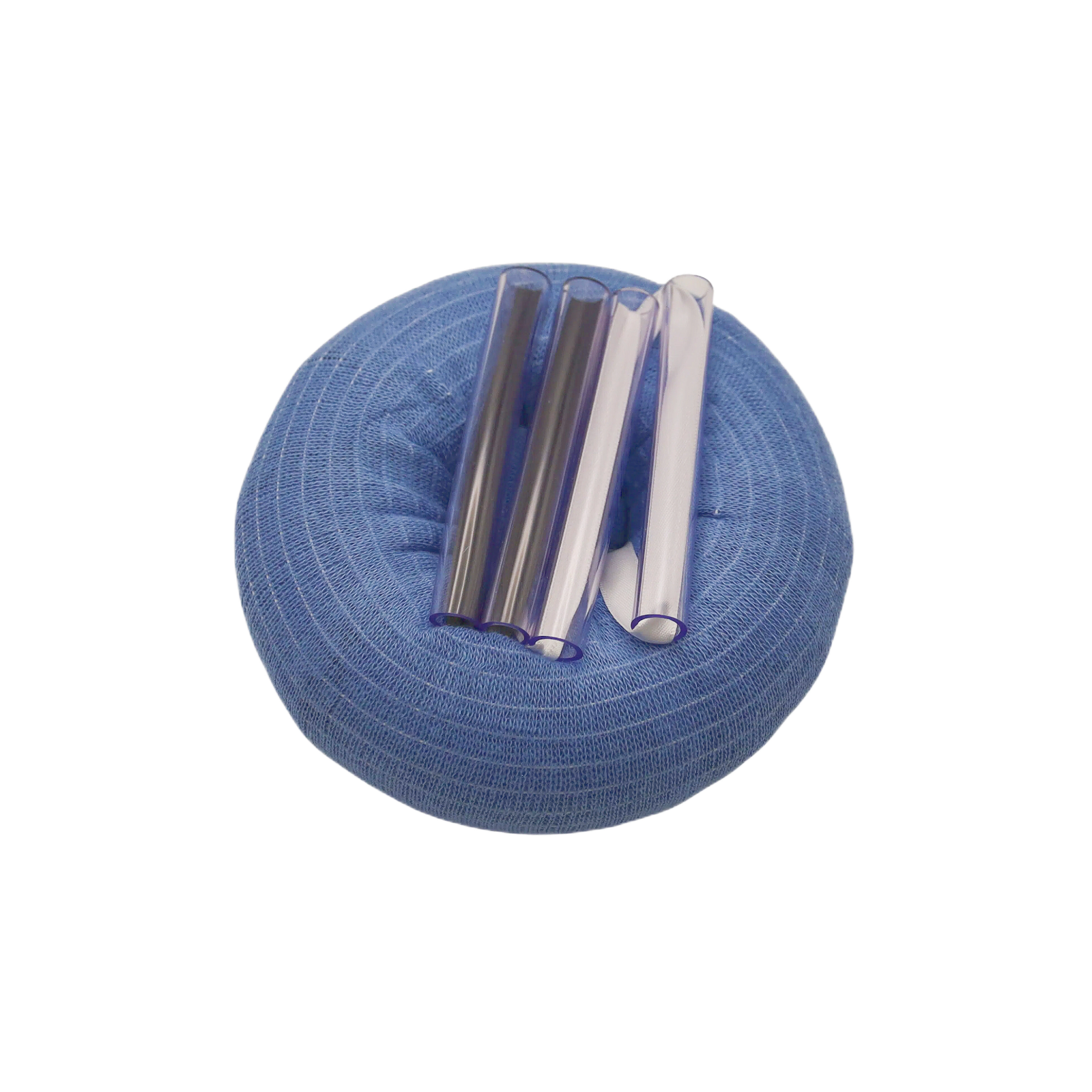
CE certified efficient exsanguination tourniquet in surgery
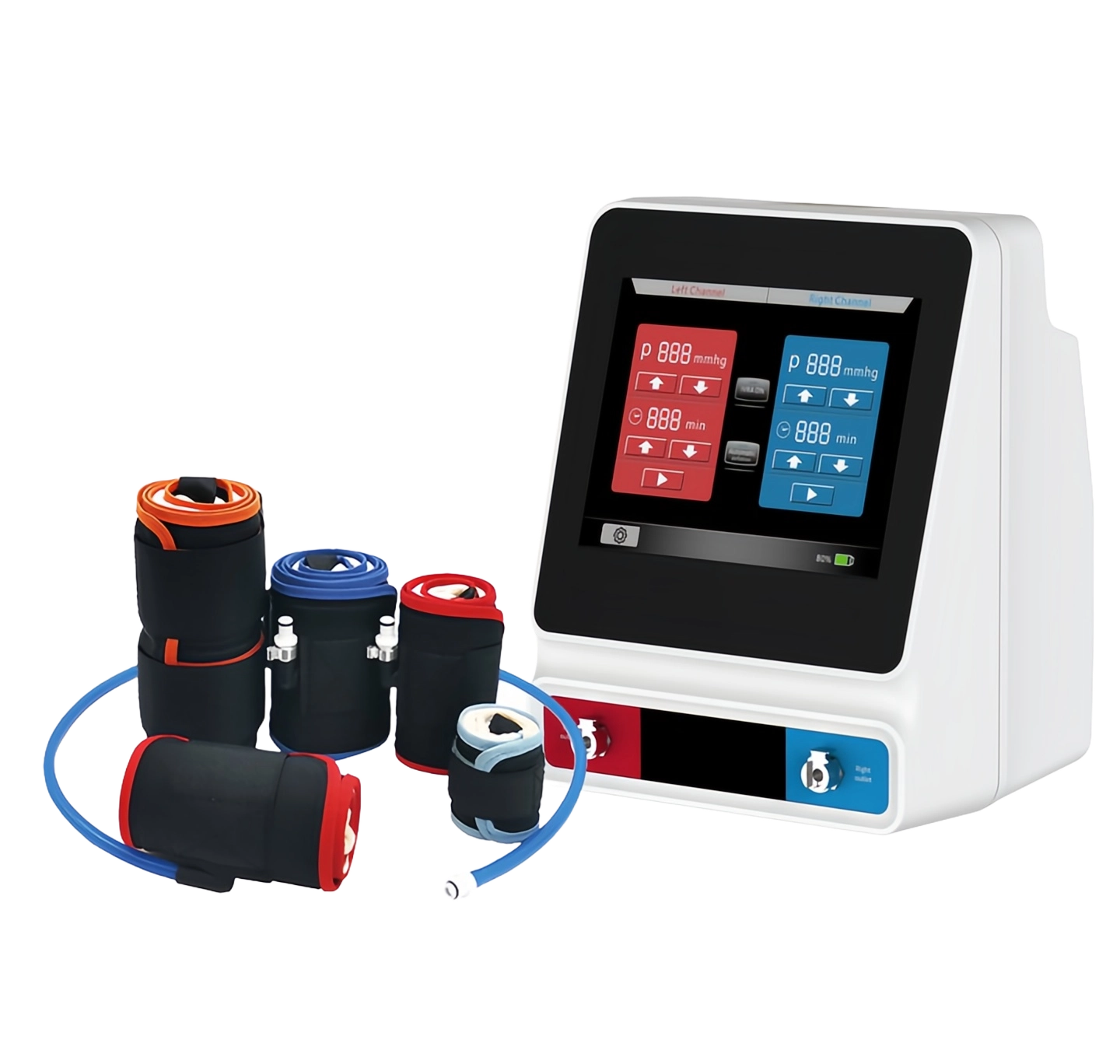
CE certified duo channel automatic tourniquet system, smart touch screen for more precise control
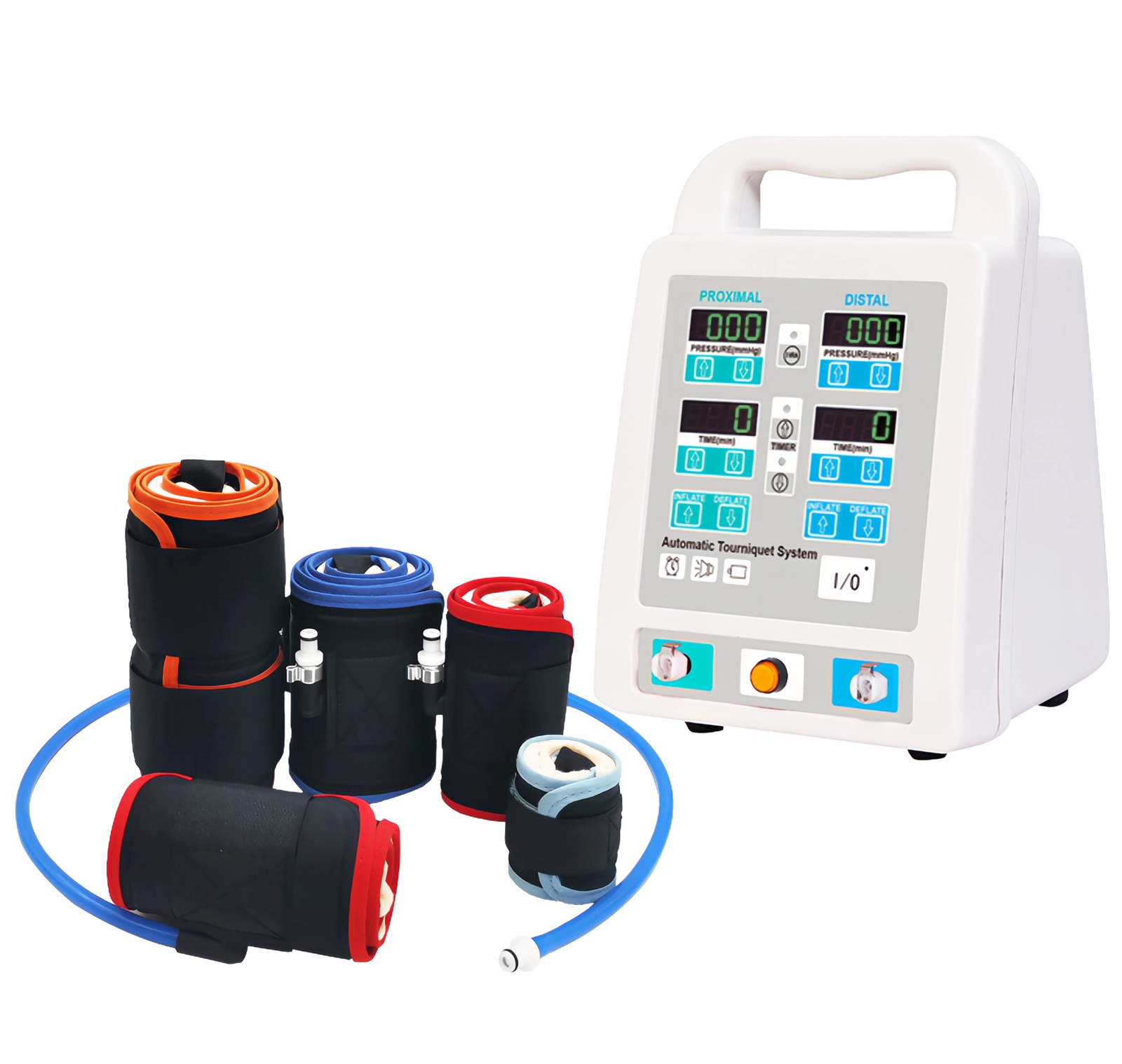
CE certified solo/duo channel automatic tourniquet system