
Our Products
Rayland Medical's consistent self produced and selected products are guaranteed to provide safety for you and your customers
Our Products
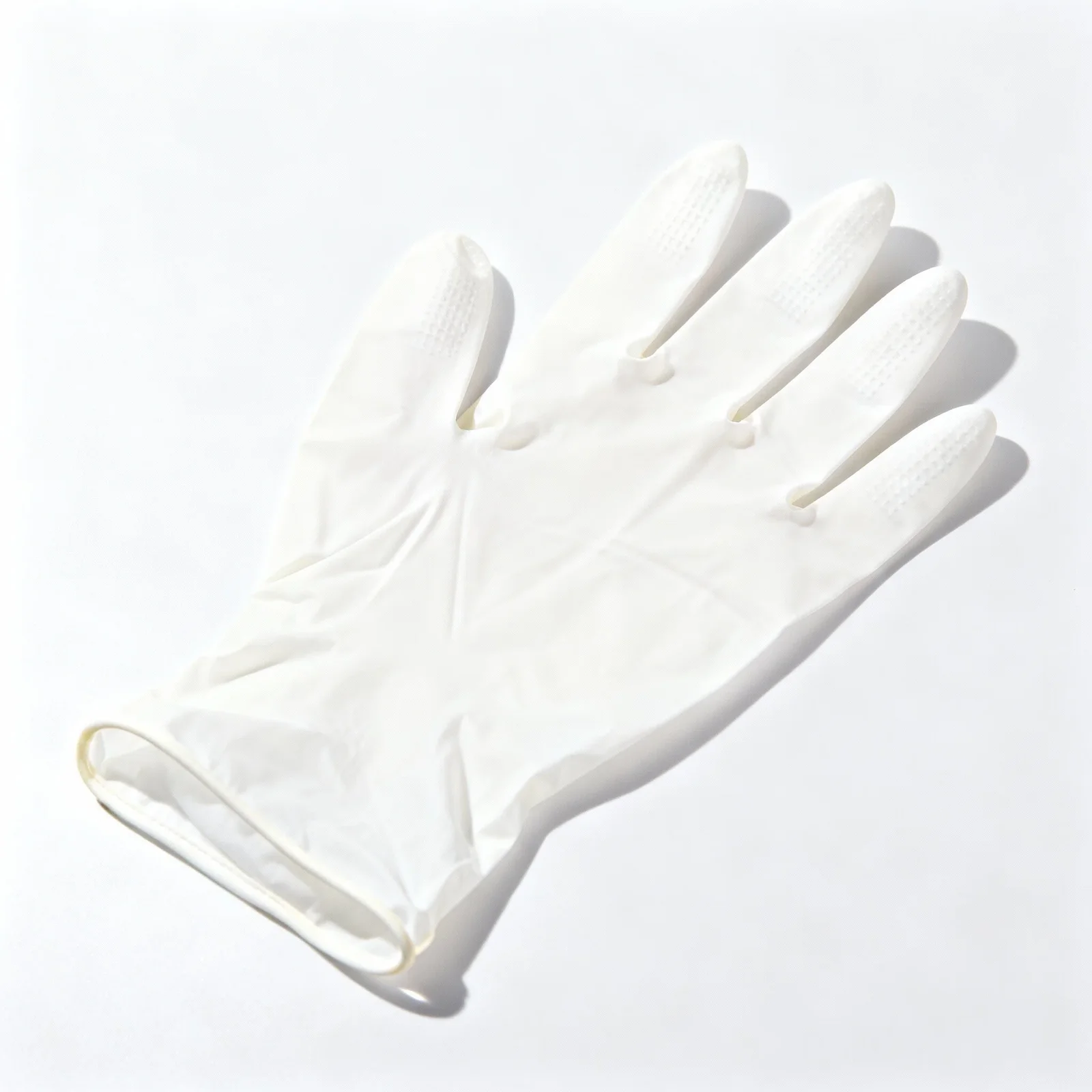
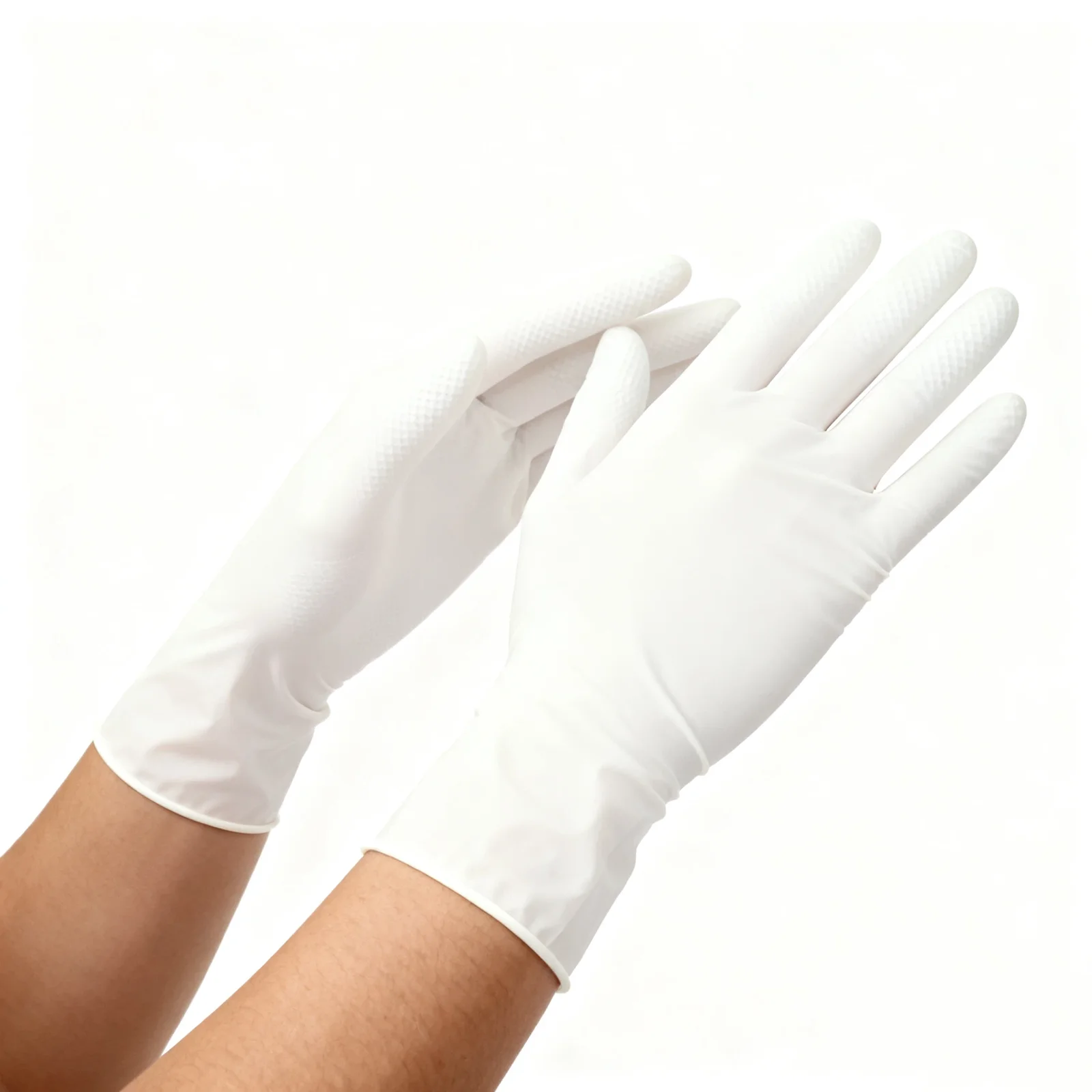
Medical consumables are essential in healthcare, including items such as gloves, syringes, masks, and diagnostic kits. For companies aiming to provide these products under their own brand, working with a professional Medical Consumables Supplier through the OEM (Original Equipment Manufacturer) process ensures quality, regulatory compliance, and efficient production. This article outlines the complete OEM process for medical consumables.
The OEM process begins with a detailed consultation between the client and the Medical Consumables Supplier:
Product Definition: Define the type of medical consumables needed, including materials, dimensions, functionality, and intended usage.
Regulatory Requirements: Identify certifications and approvals needed for the target market, such as ISO 13485, CE, or FDA.
Volume & Packaging: Discuss minimum order quantities, packaging preferences, labeling, and product shelf life.
This stage ensures the supplier understands client requirements and compliance needs clearly.
Once requirements are defined:
Material Selection: The Medical Consumables Supplier selects medical-grade, safe, and hypoallergenic materials.
Prototype Creation: Develop samples for evaluation, including testing for strength, flexibility, or sterility depending on the product.
Client Approval: The client reviews and approves the prototypes to confirm they meet functional and aesthetic expectations.
Medical consumables must meet strict standards:
Quality Testing: Conduct mechanical, chemical, and microbiological tests, including sterility and biocompatibility.
Certification Support: Provide documentation for CE, FDA, or regional regulatory compliance.
Batch Verification: Ensure each production batch meets the same quality standards for consistency and safety.
After prototype approval:
Tooling Setup: Prepare molds, dies, or production lines for the specific medical consumables.
Process Optimization: Fine-tune production processes to maintain efficiency and high quality.
Pilot Production: Run a small-scale production batch to verify manufacturing processes and product quality.
Once pilot production is approved:
Full-Scale Manufacturing: Produce medical consumables at scale under controlled conditions.
Ongoing Quality Control: Monitor every batch for defects, compliance, and consistency.
Traceability: Use batch numbering and documentation to track products for quality management.
Proper packaging ensures safety and brand identity:
Sterile Packaging: Maintain sterility for consumables that require it.
Customization: Apply logos, brand colors, and instructions as per client requirements.
Secondary Packaging: Use cartons, kits, or shrink wraps to meet market expectations.
Efficient delivery ensures timely supply:
Inventory Management: Organize stock according to client schedules.
Shipping Compliance: Follow temperature and storage standards for sensitive consumables.
Documentation: Provide certificates of analysis (COA), compliance papers, and shipping documentation.
A professional Medical Consumables Supplier continues support after delivery:
Product Updates: Share information about regulatory changes or product improvements.
Technical Assistance: Offer guidance on product usage and troubleshooting.
Reorders & Scaling: Support repeat orders and scale production as market demand grows.
The complete OEM process for medical consumables ensures healthcare providers and distributors receive high-quality, compliant, and reliable products. Partnering with an experienced Medical Consumables Supplier guarantees customized solutions, regulatory compliance, and scalable production, enabling brands to meet market needs effectively and safely.