
Our Products
Rayland Medical's consistent self produced and selected products are guaranteed to provide safety for you and your customers
Our Products
Selecting the right medical gloves is essential for healthcare professionals, clinics, and laboratories. Different materials—nitrile, latex, and vinyl—offer unique benefits and limitations. Understanding these differences helps medical facilities choose gloves that meet safety, comfort, and compliance requirements. For businesses sourcing high-quality gloves, working with a reliable Nitrile Exam Gloves Supplier ensures consistent product quality and regulatory compliance.
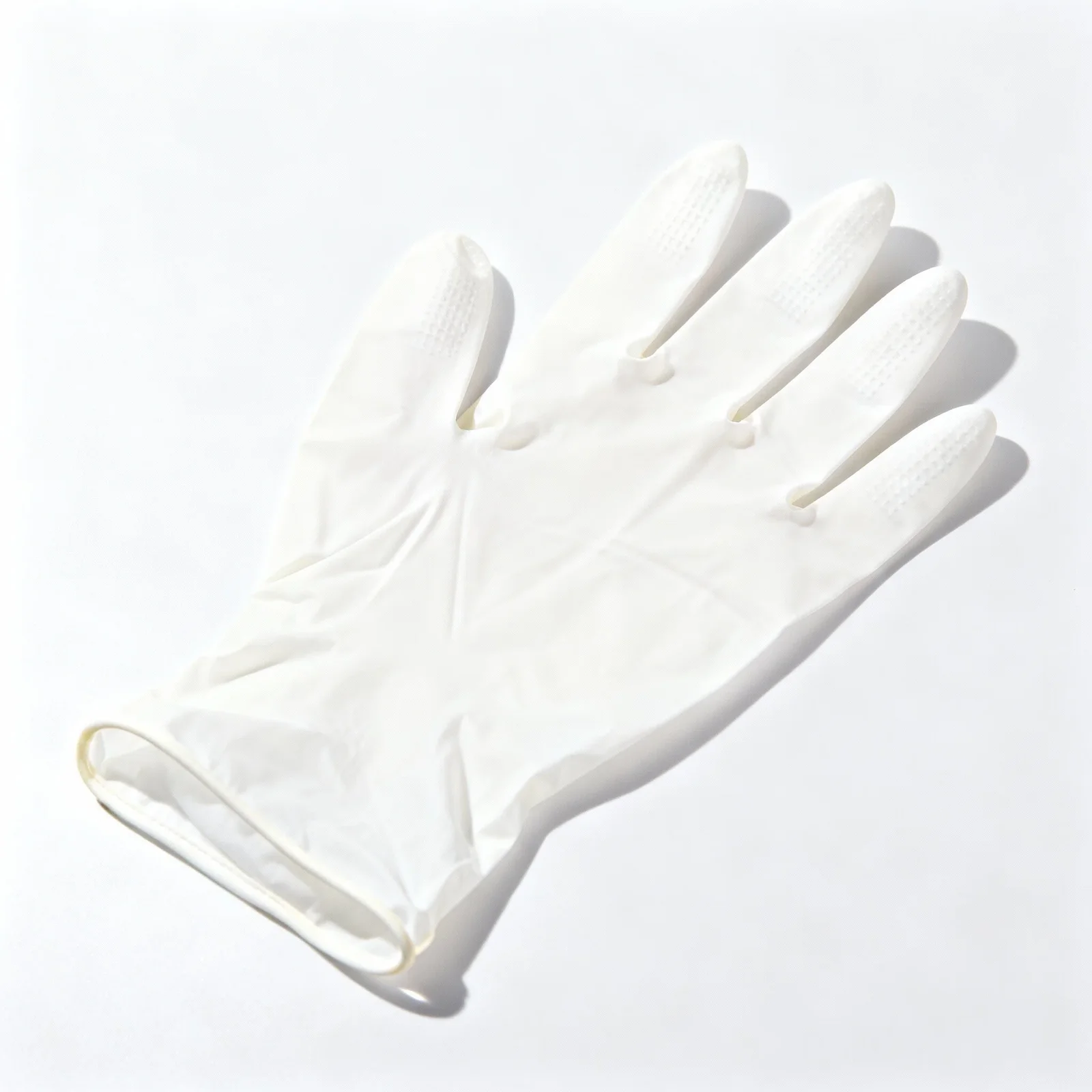
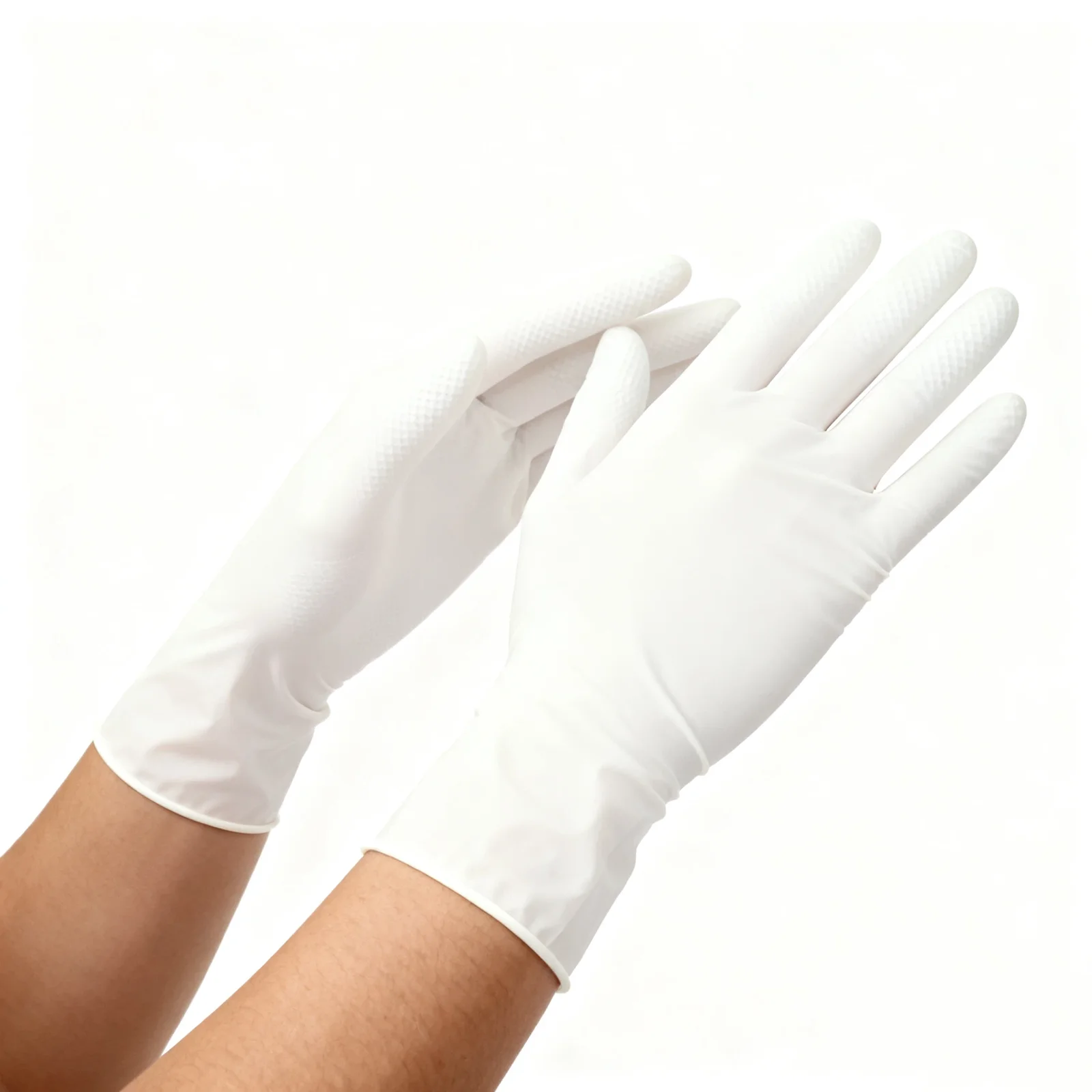
Nitrile gloves are made from synthetic rubber and are widely used in healthcare due to their strength, chemical resistance, and hypoallergenic properties.
Durability: Highly resistant to punctures, tears, and chemicals, making them ideal for clinical and laboratory work.
Allergy Safety: Latex-free, reducing the risk of allergic reactions for both patients and healthcare workers.
Comfort & Fit: Offers excellent elasticity and conforms closely to the hand, providing dexterity for precise procedures.
Typical Uses: Surgery, clinical exams, lab testing, and handling hazardous substances.
A reputable Nitrile Exam Gloves Supplier can provide various thicknesses, textures, and powder-free options tailored to different medical applications.
Latex gloves are made from natural rubber and are known for their comfort and tactile sensitivity.
Elasticity & Fit: Offers a snug fit and superior tactile sensitivity, ideal for procedures requiring precision.
Biodegradability: Natural material is environmentally friendly and biodegradable.
Allergy Considerations: May trigger latex allergies in some patients or healthcare workers, requiring careful selection.
Typical Uses: Medical examinations, dental procedures, and tasks where high dexterity is essential.
Although latex gloves offer comfort and flexibility, facilities increasingly prefer nitrile to avoid allergy risks.
Vinyl gloves are made from synthetic PVC and are generally used for low-risk tasks.
Cost-Effective: Less expensive than nitrile and latex, making them suitable for routine tasks.
Fit & Durability: Looser fit and lower puncture resistance; not recommended for high-risk medical procedures.
Allergy-Free: Latex-free, safe for users with latex allergies.
Typical Uses: Food handling, cleaning, or low-risk patient contact in healthcare settings.
Vinyl gloves are a practical choice for tasks requiring frequent glove changes but are not ideal for clinical procedures.
For healthcare providers, nitrile gloves offer the best combination of safety, durability, and allergy protection. Clinics and hospitals should source from a trusted Nitrile Exam Gloves Supplier to ensure compliance with international medical standards, including FDA and ISO certifications.
Partnering with a reliable supplier ensures consistent quality, a wide range of glove options, and tailored solutions for different medical applications. Whether you need exam gloves for clinical use or laboratory handling, nitrile gloves remain the preferred choice for modern healthcare settings.